Farm & dairy tour with tasting
The stables, the dairy, the ageing room, then cheese and wine at the table.
from €35
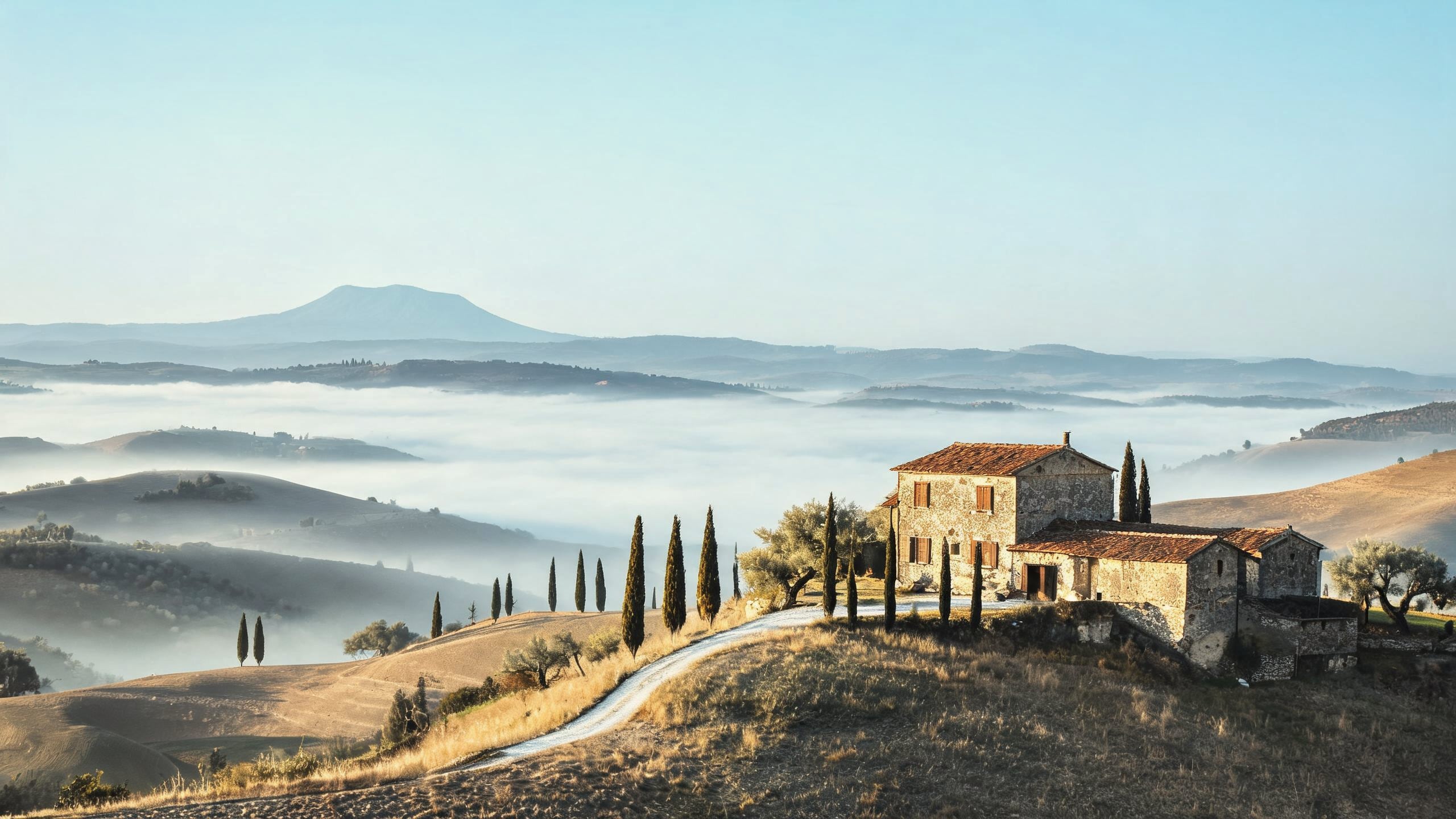
Agriturismo biologico · Val d'Orcia · dal 1994
An organic hill farm with a wood-fired kitchen, a cheese dairy and a small campsite under the cypresses.
The promise
“Everything on the table grew, grazed or was made on this hill.”
Colle means hill. Brado means free-roaming, which is how the animals live here.
Agriturismo biologico · Val d'Orcia
Five steps, about three hundred metres, and anywhere from a morning to three months.
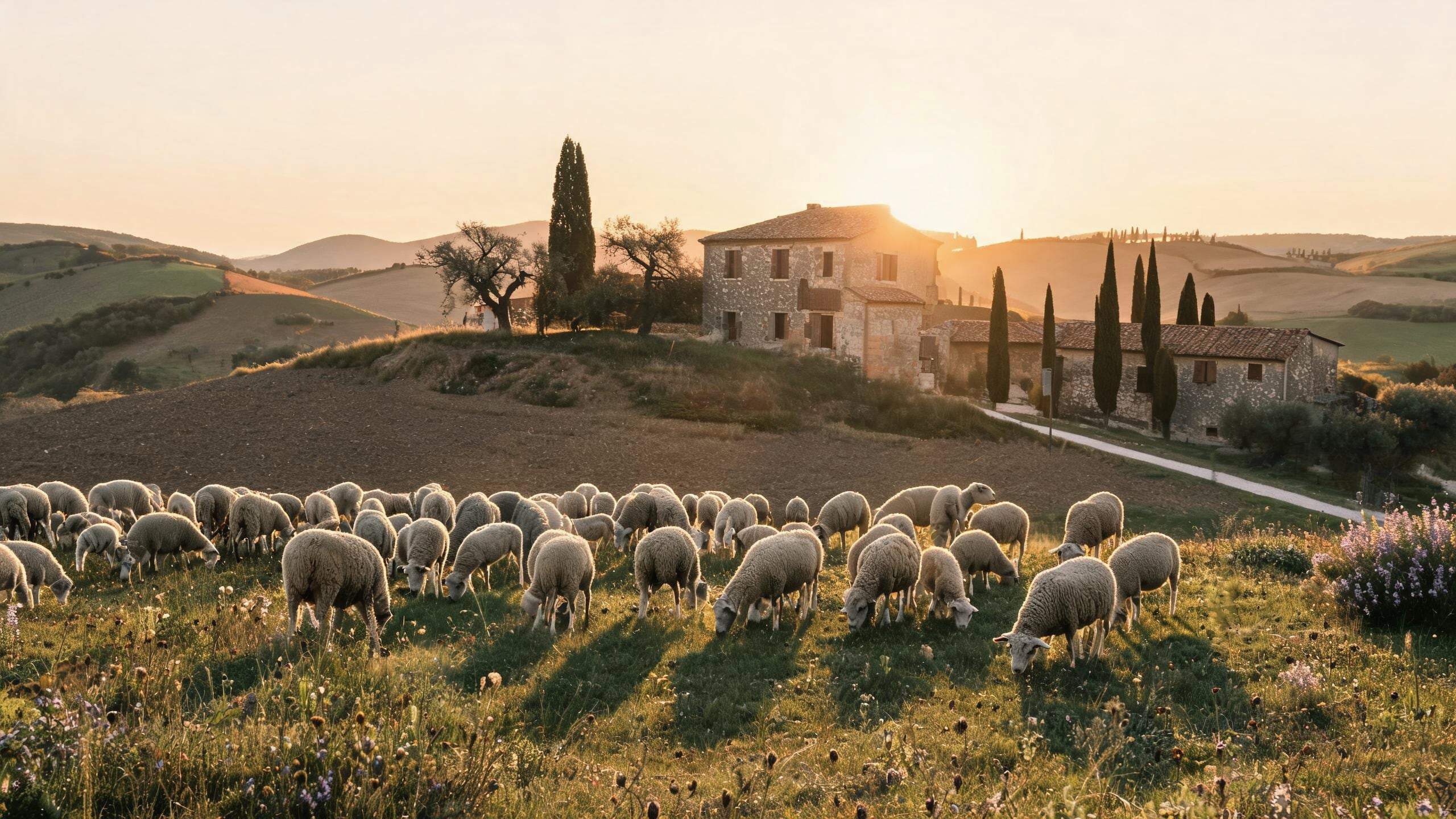
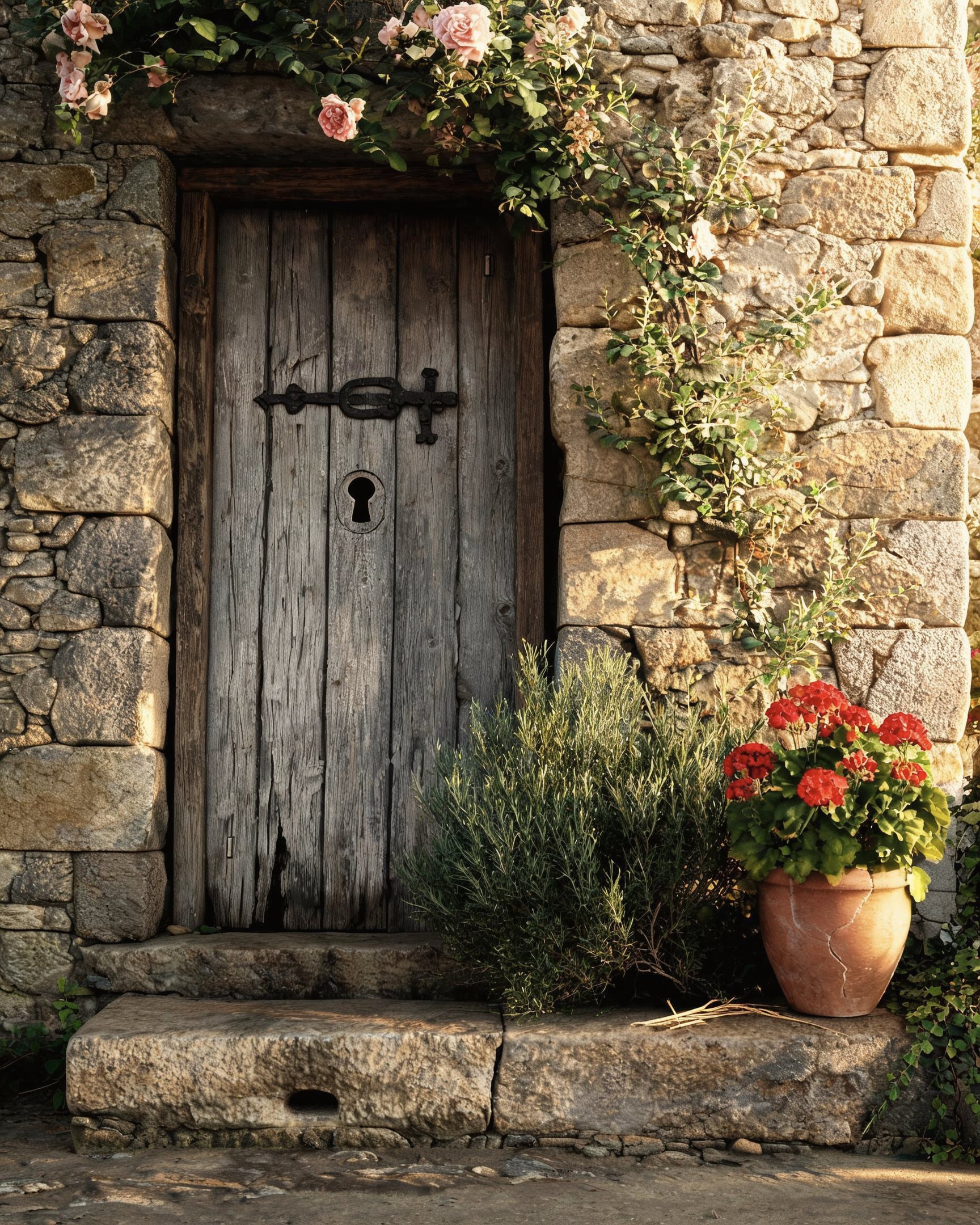
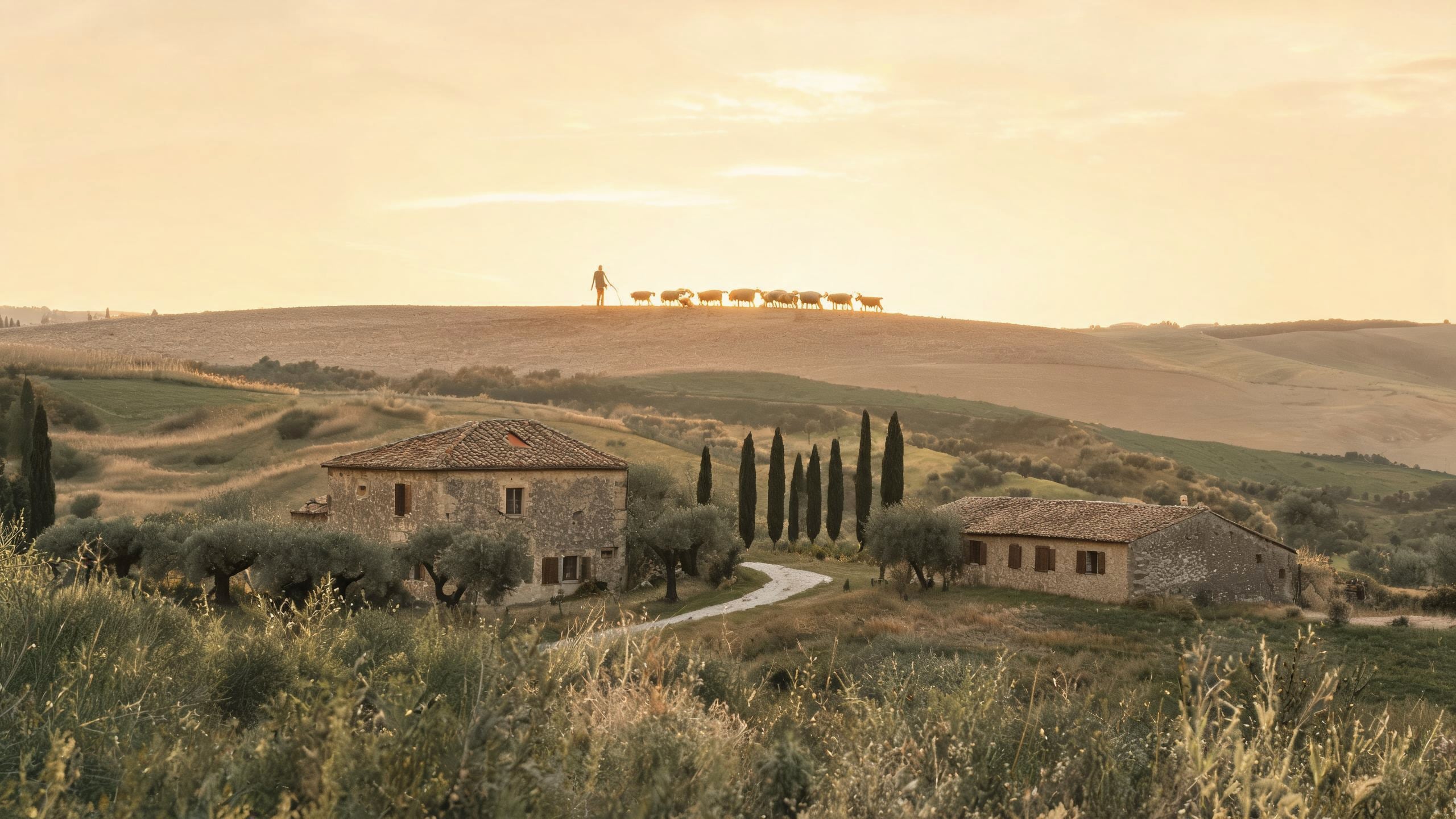
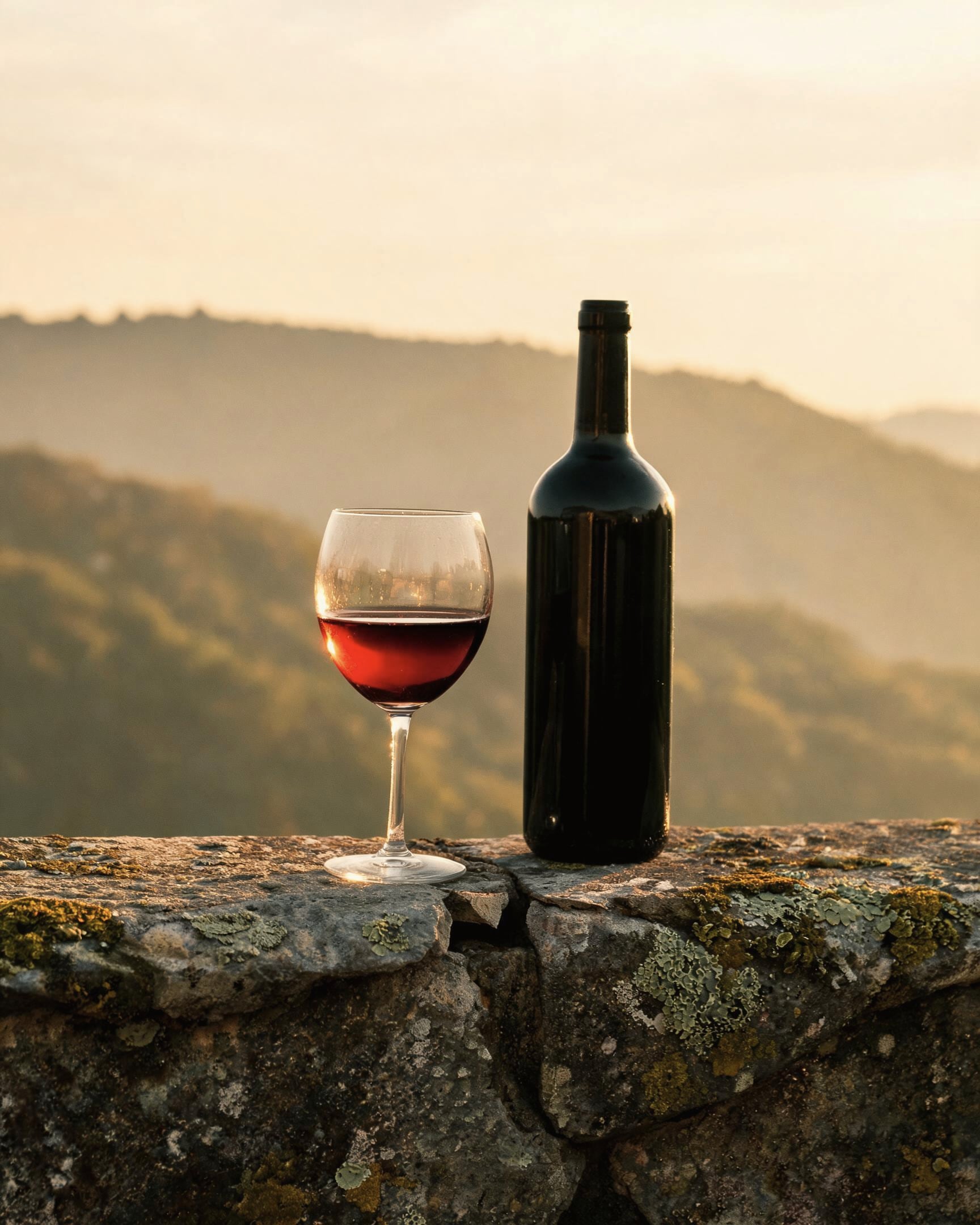
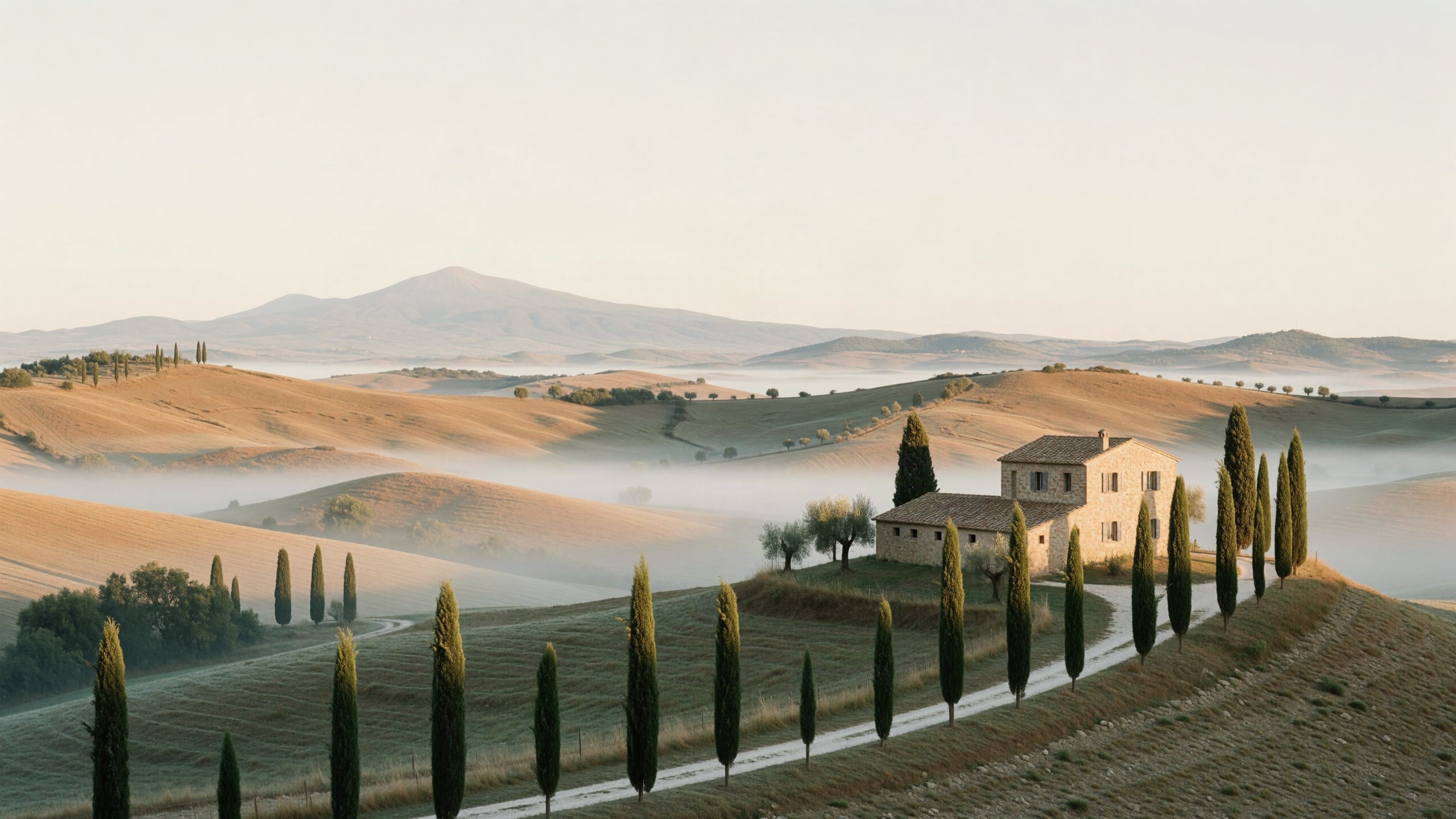
Out by eight, back by dusk. The flock works the hill for wild thyme, chicory and clover, and moves on before the grass is gone.
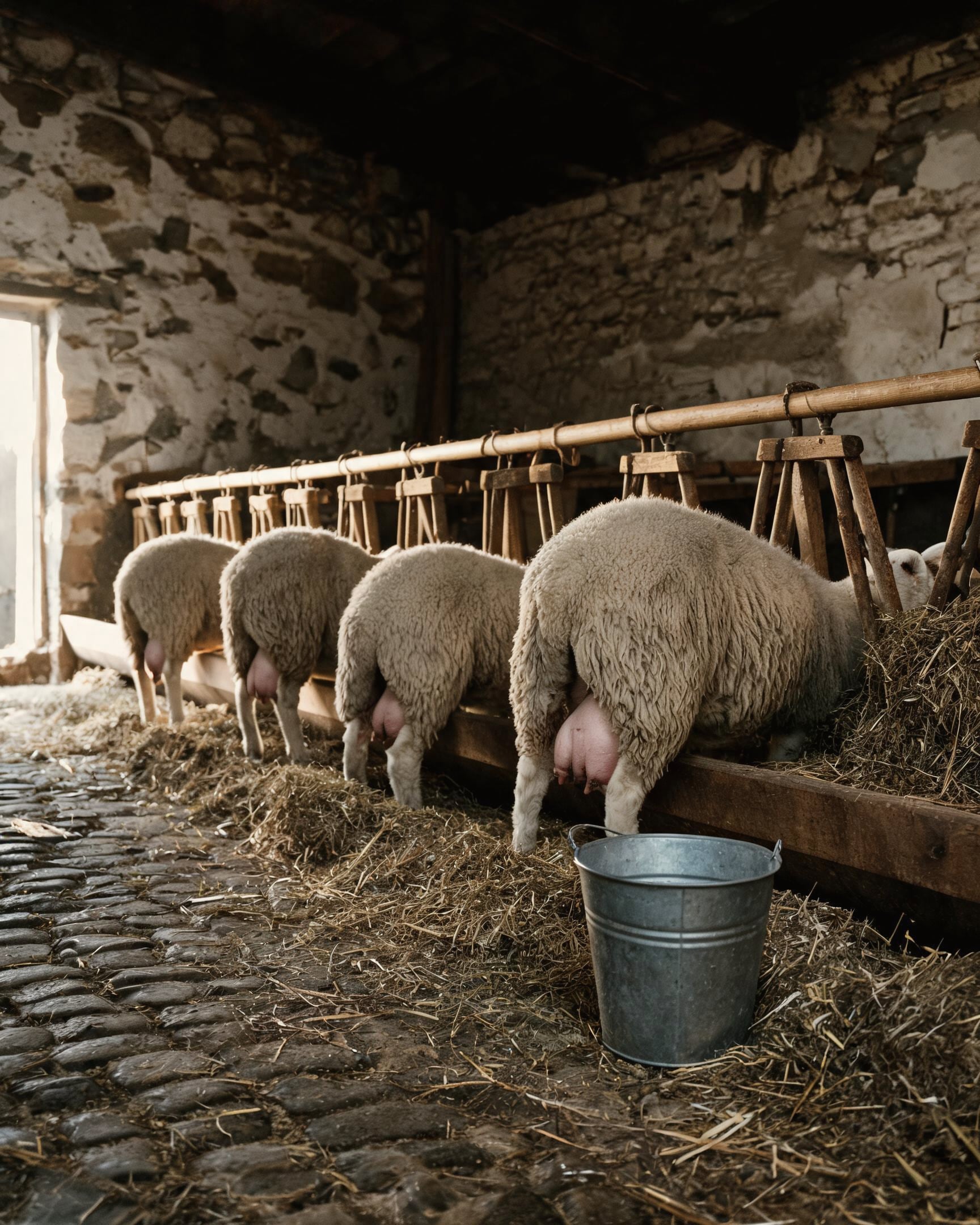
Twice a day, in the old stable, 140 sheep and 25 goats. The morning milk goes straight to the dairy, still warm.
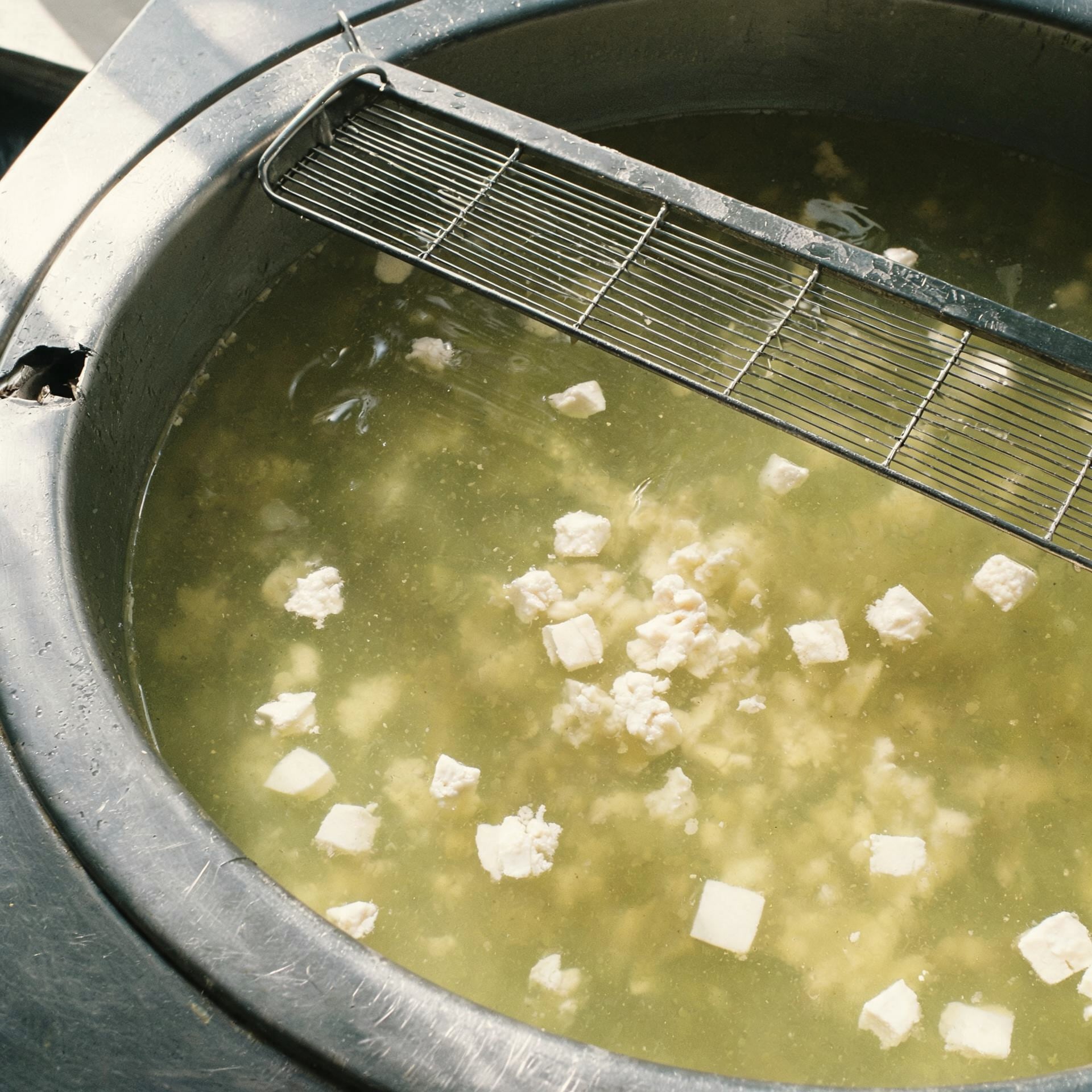
Raw milk, natural rennet, salt. Nothing is pasteurised and nothing is added. Elia cuts the curd by hand; the whey becomes this morning's ricotta.
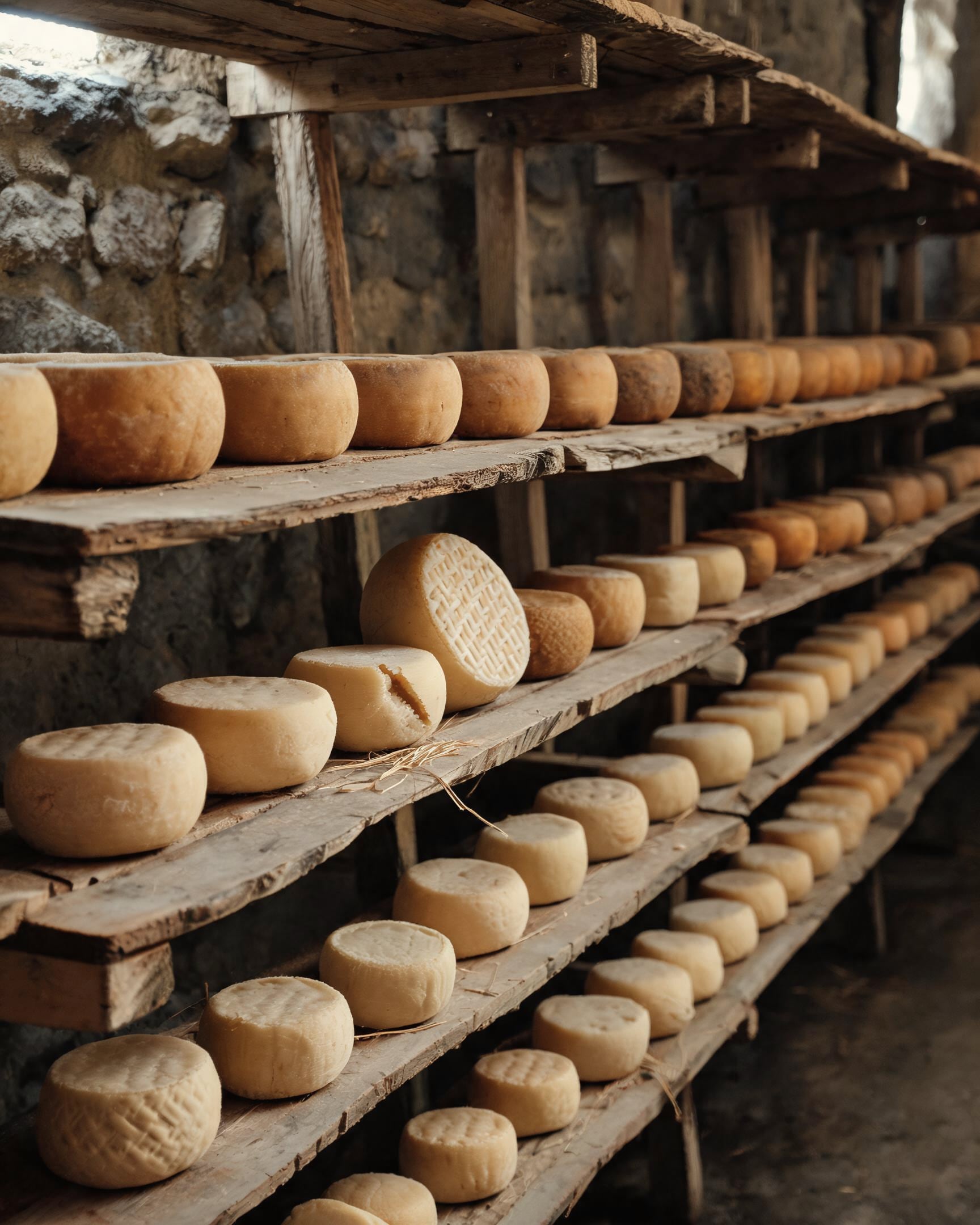
Weeks, months, or three months underground in a straw-lined pit. Every wheel is turned by hand, and every wheel comes out a little different.
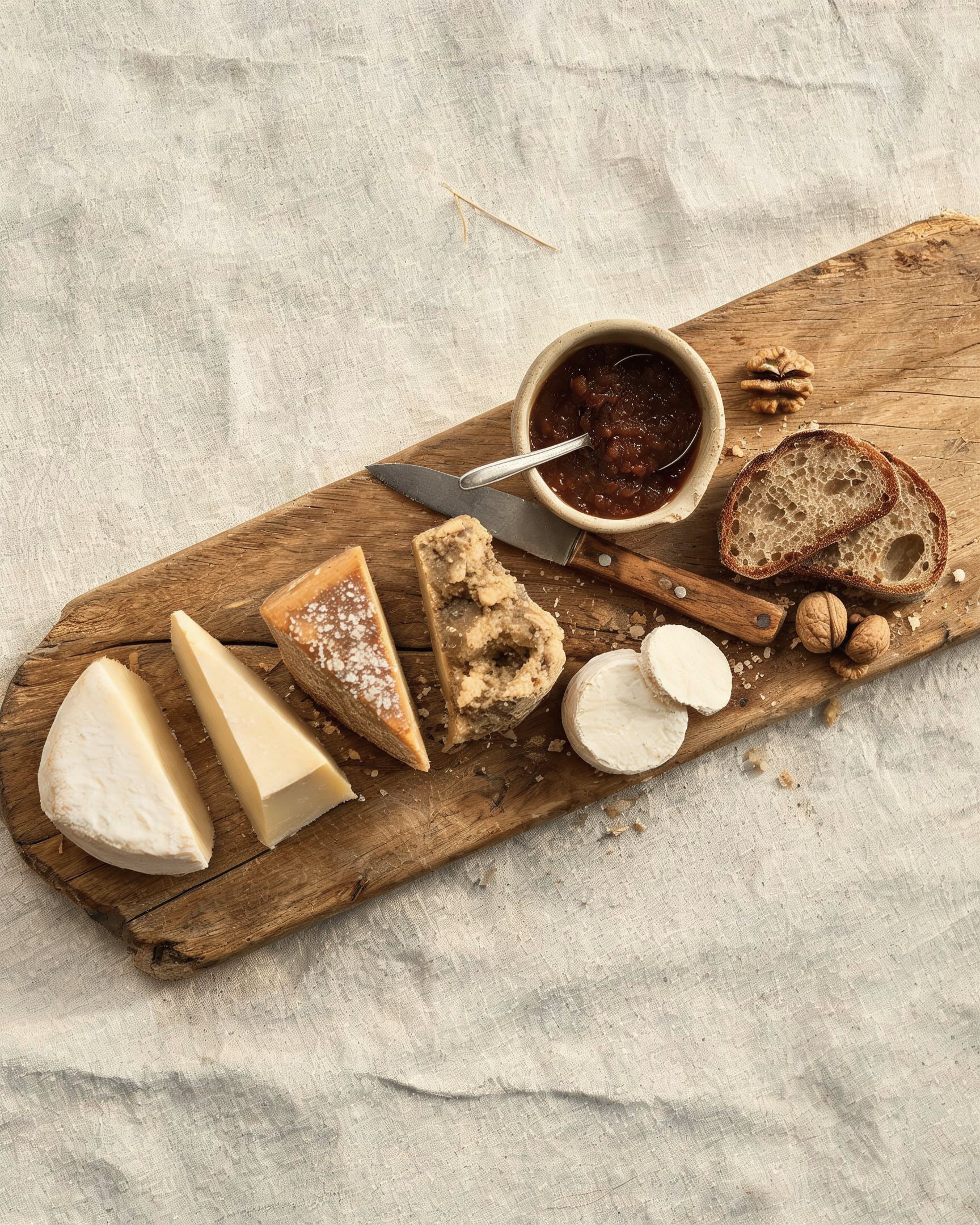
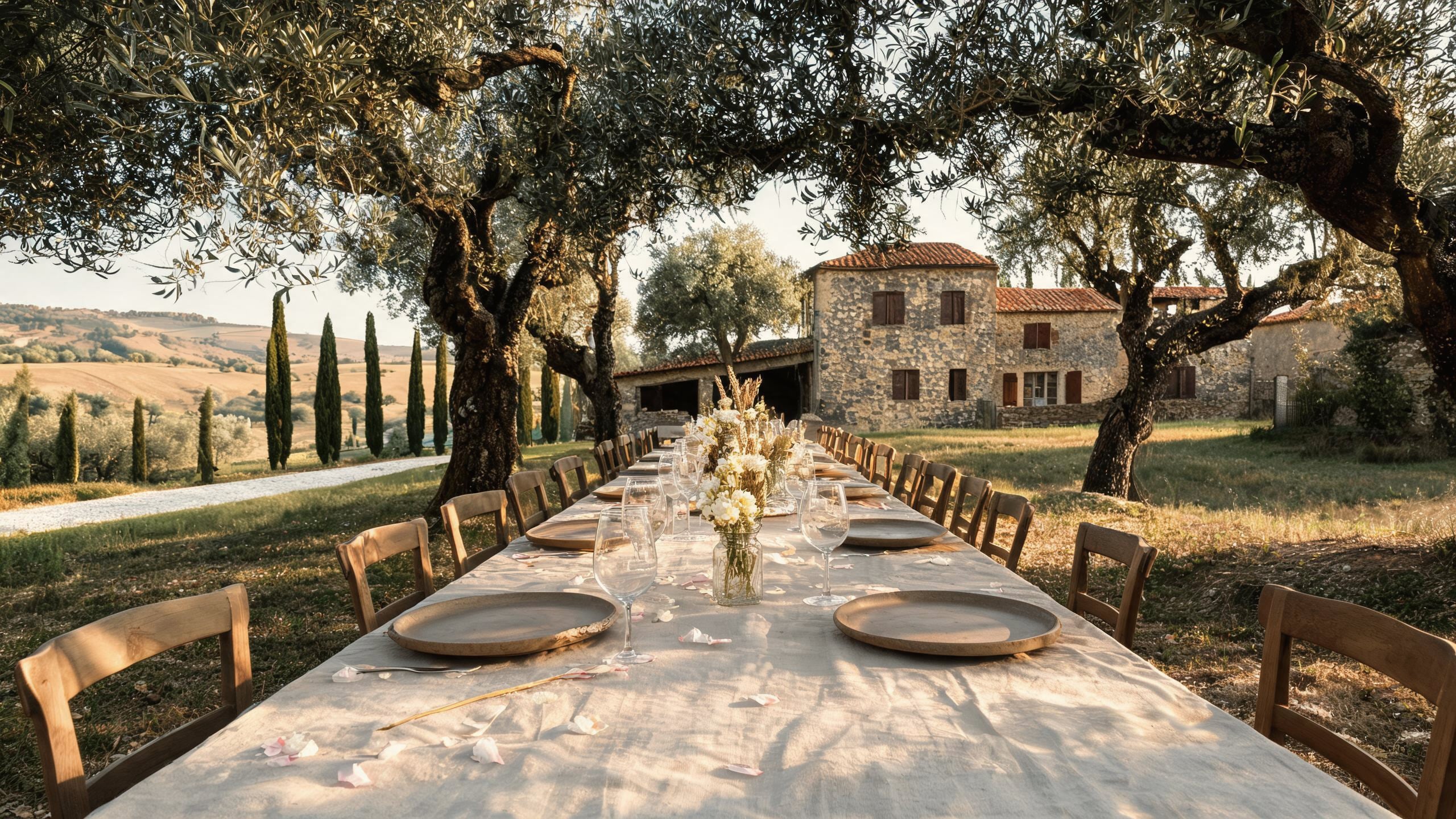
Twenty steps from the dairy door to the kitchen. The cheese that aged all summer meets bread from this morning's oven.
The sheep graze meadows full of wild herbs on poor clay. Hungry soil makes stubborn, aromatic herbs, and aromatic herbs make better milk. The milk changes with the seasons, so the cheese does too.
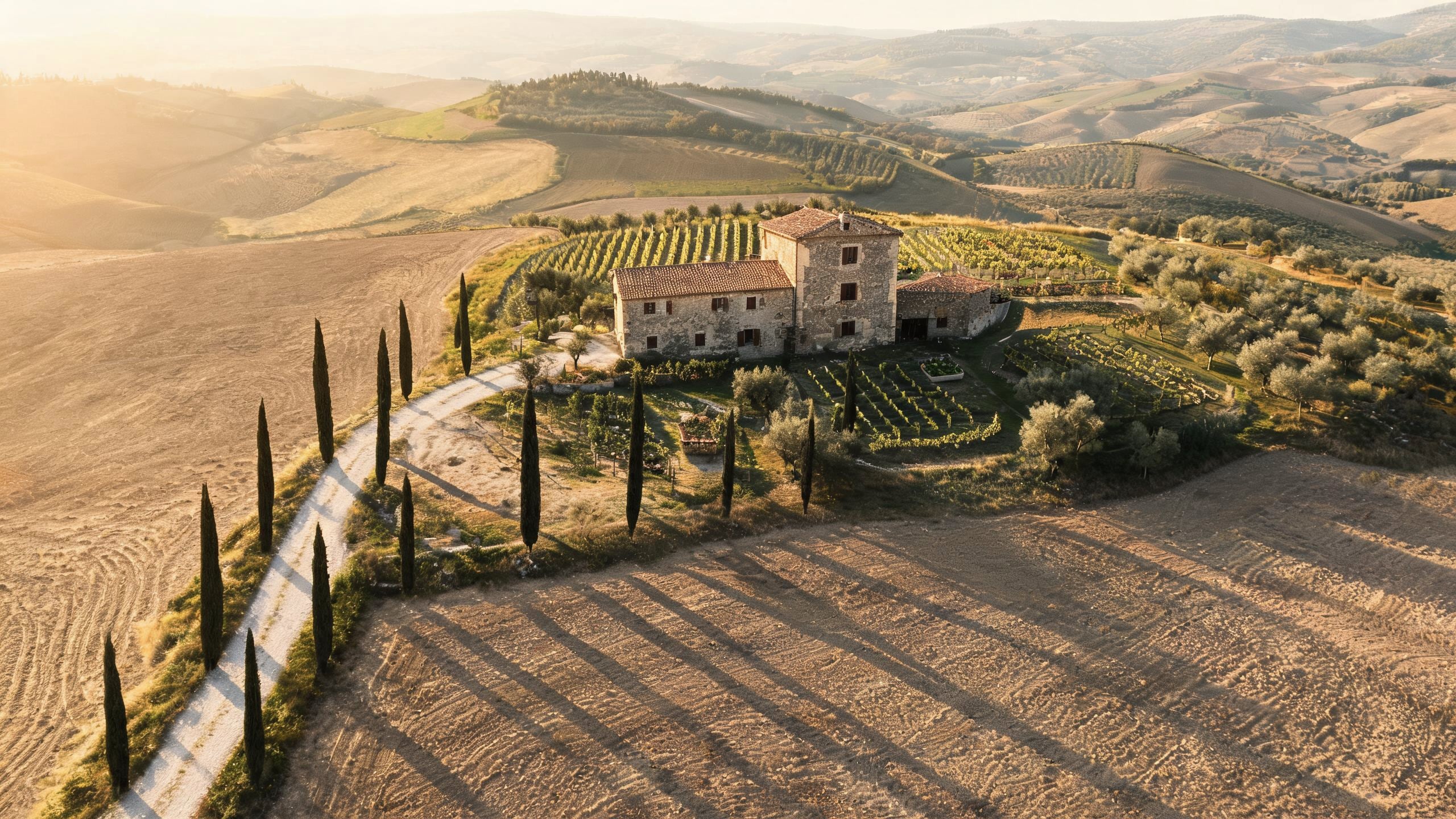
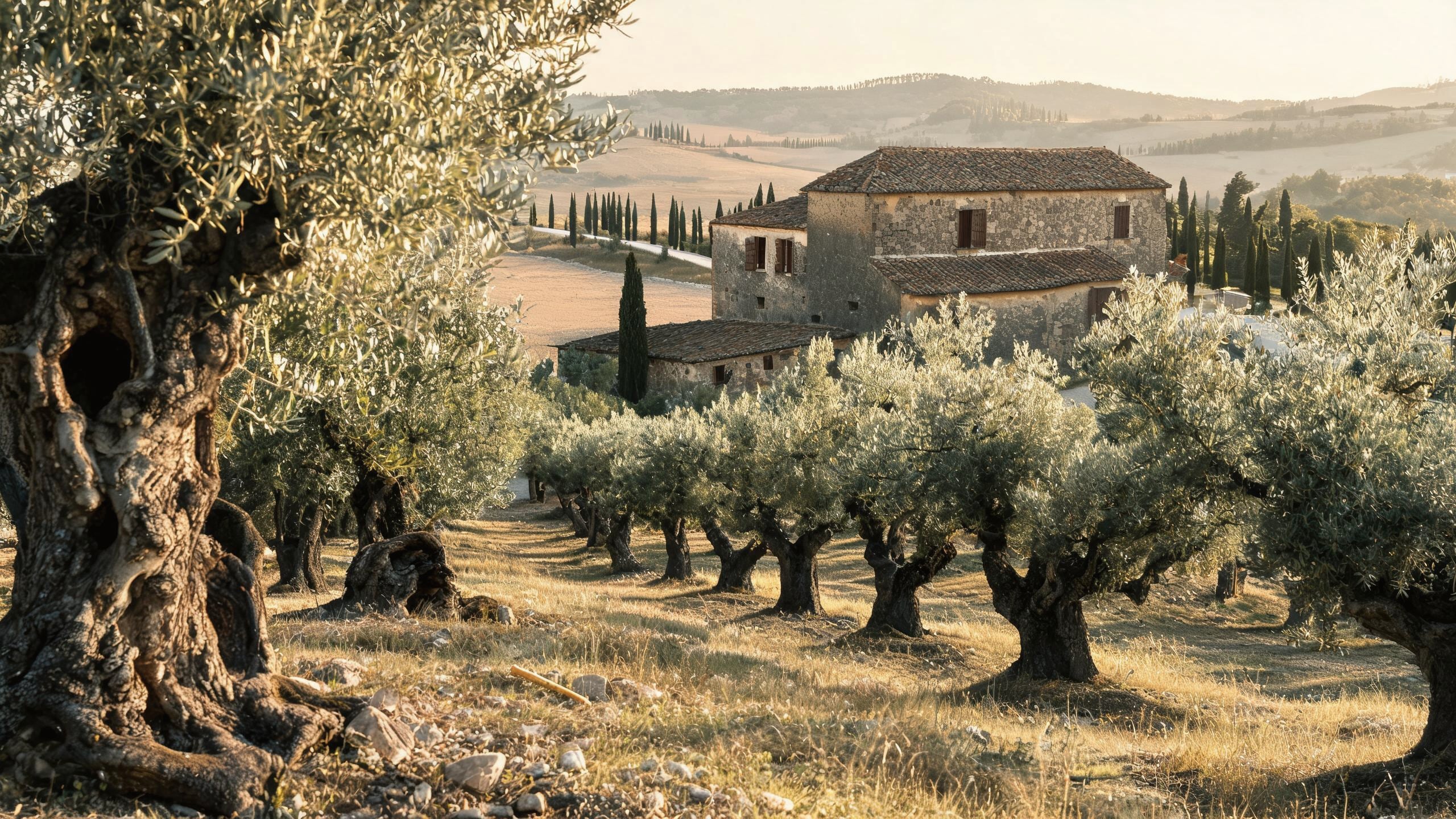
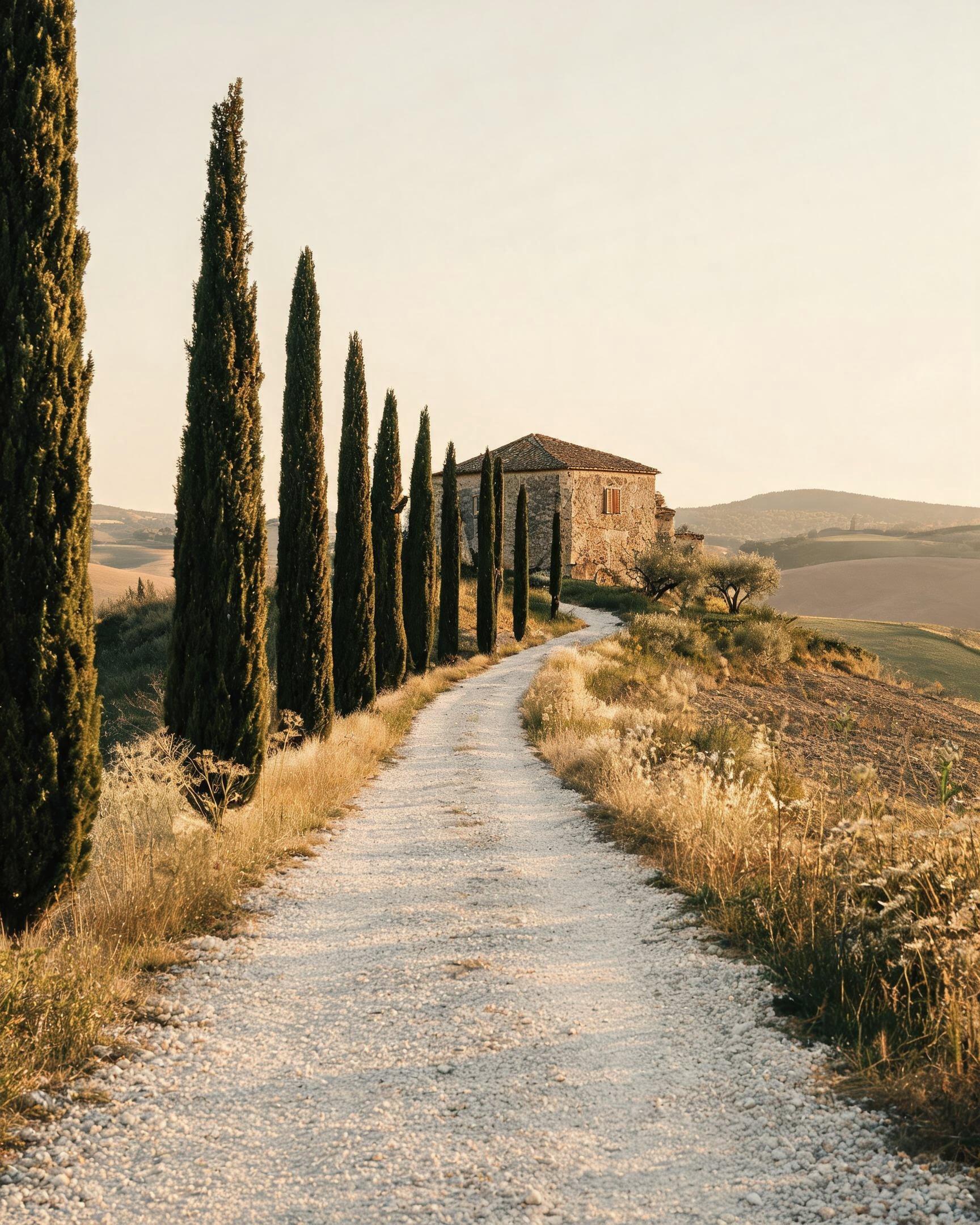
This month on the hill
Saffron flowers at dawn; the olive harvest begins; truffle hunts start.
Classes and tours on a working farm. Every one starts with a walk from the stables to the dairy.
The stables, the dairy, the ageing room, then cheese and wine at the table.
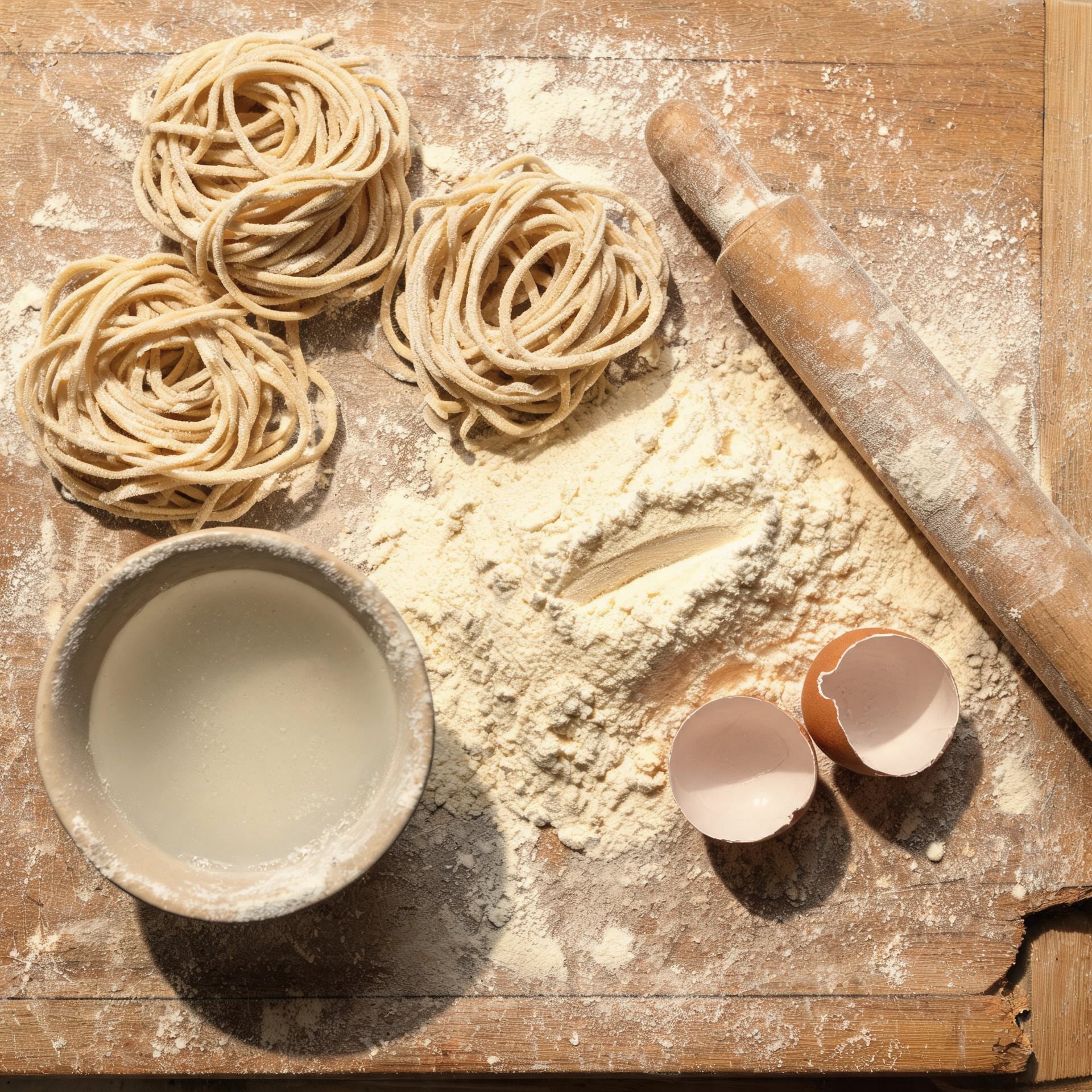
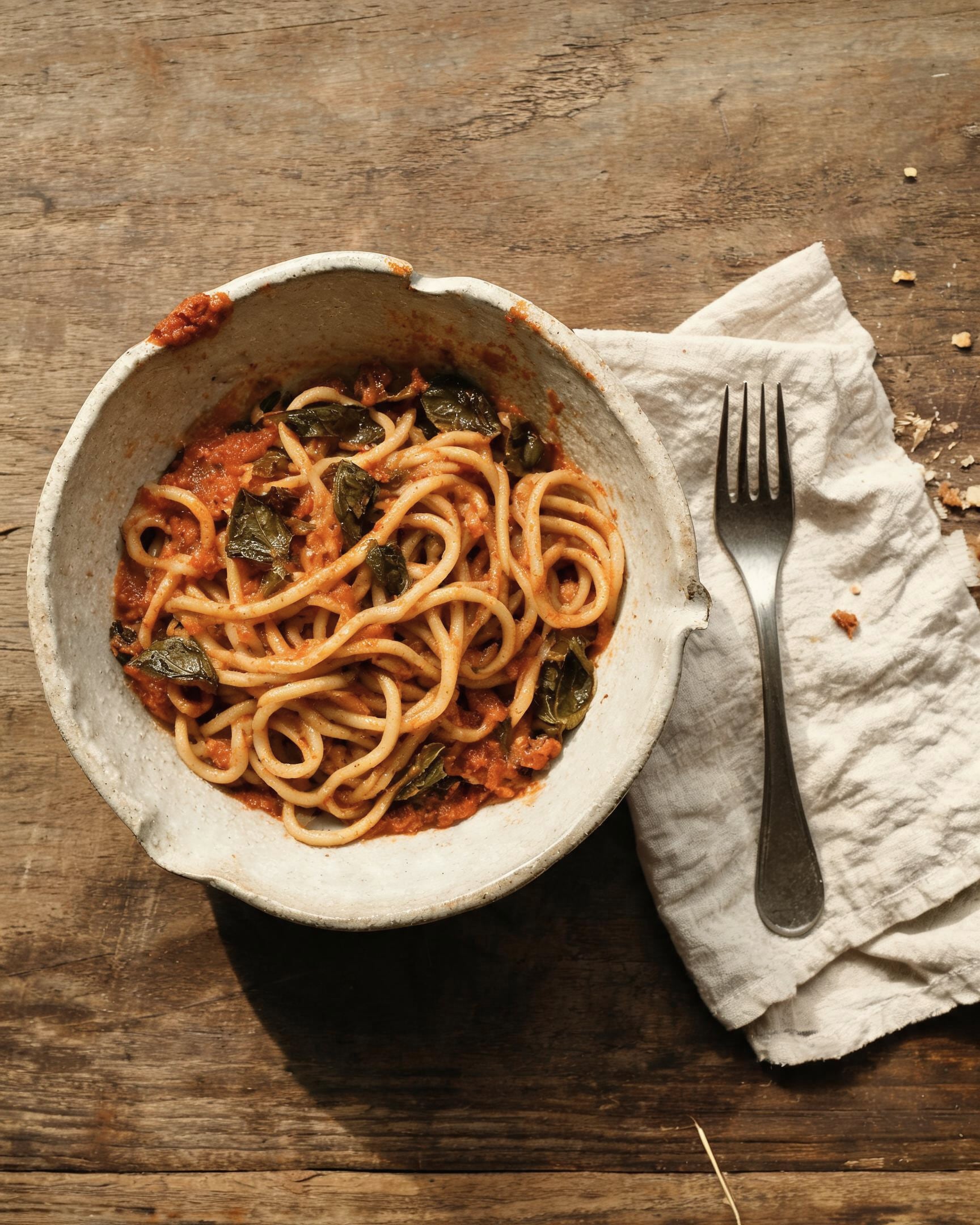
Three fresh pastas and their sauces, then lunch or dinner with what you made.
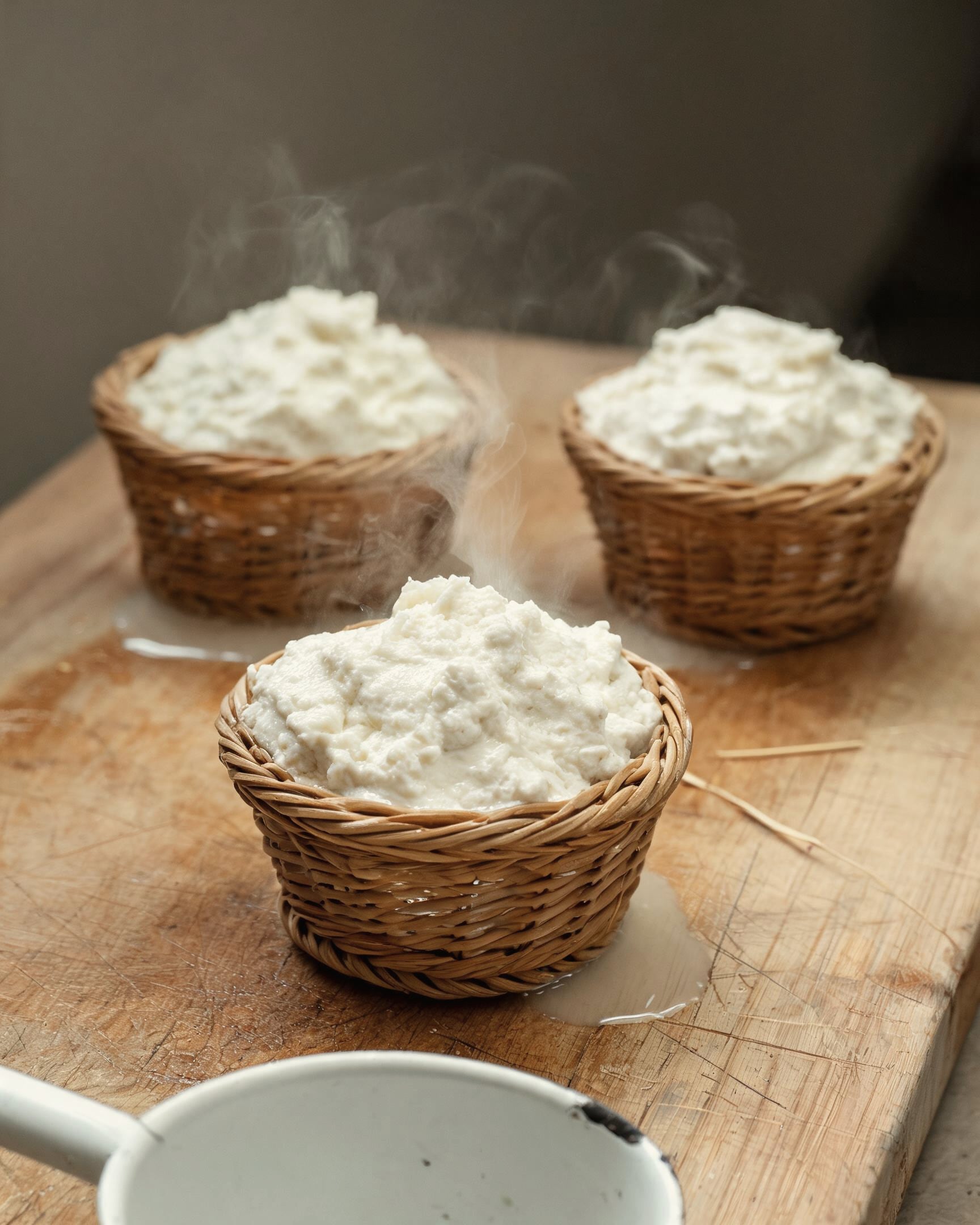
Watch and help Elia make caprino and pecorino. Breakfast is warm ricotta.
Colophon
In 1994 Nora Lindahl, a radio producer from Copenhagen, and Paolo Vitale, a stage carpenter from Genoa, bought a stone podere that had stood empty for thirty years. It was three hundred years old, it sat on a hill of pale clay, and it had no roof worth the name. They wanted to live on what their own land could give. Everyone told them it was a lovely idea.
Nora and Paolo buy the podere. First vines, olive trees, wheat, hens and a vegetable garden; they start making their own pasta.
First sheep, goats and pigs. Friends help restore the farmhouse; a wood-fired oven is built.
Selling at the weekly markets in nearby villages.
Certified organic.
The farm opens to campers and becomes an agriturismo; school groups start visiting as a fattoria didattica.
The Val d'Orcia joins the UNESCO World Heritage List.
The dairy opens: raw-milk pecorino, caprino and ricotta.
First cooking classes in the farm kitchen.
The restaurant moves into the old stables.
First wedding on the terrace; first truffle hunts with guests; a cut-flower garden is planted.
First saffron harvest.
Beehives return to the hill.
First pit-aged pecorino; the Saturday farm market begins.
Stone-ground flour from our own heritage durum wheat, Senatore Cappelli.
Solar panels make the farm's energy as home-grown as its food.
Some years the hail takes the grapes; some nights a wolf takes a hen. That's farming.
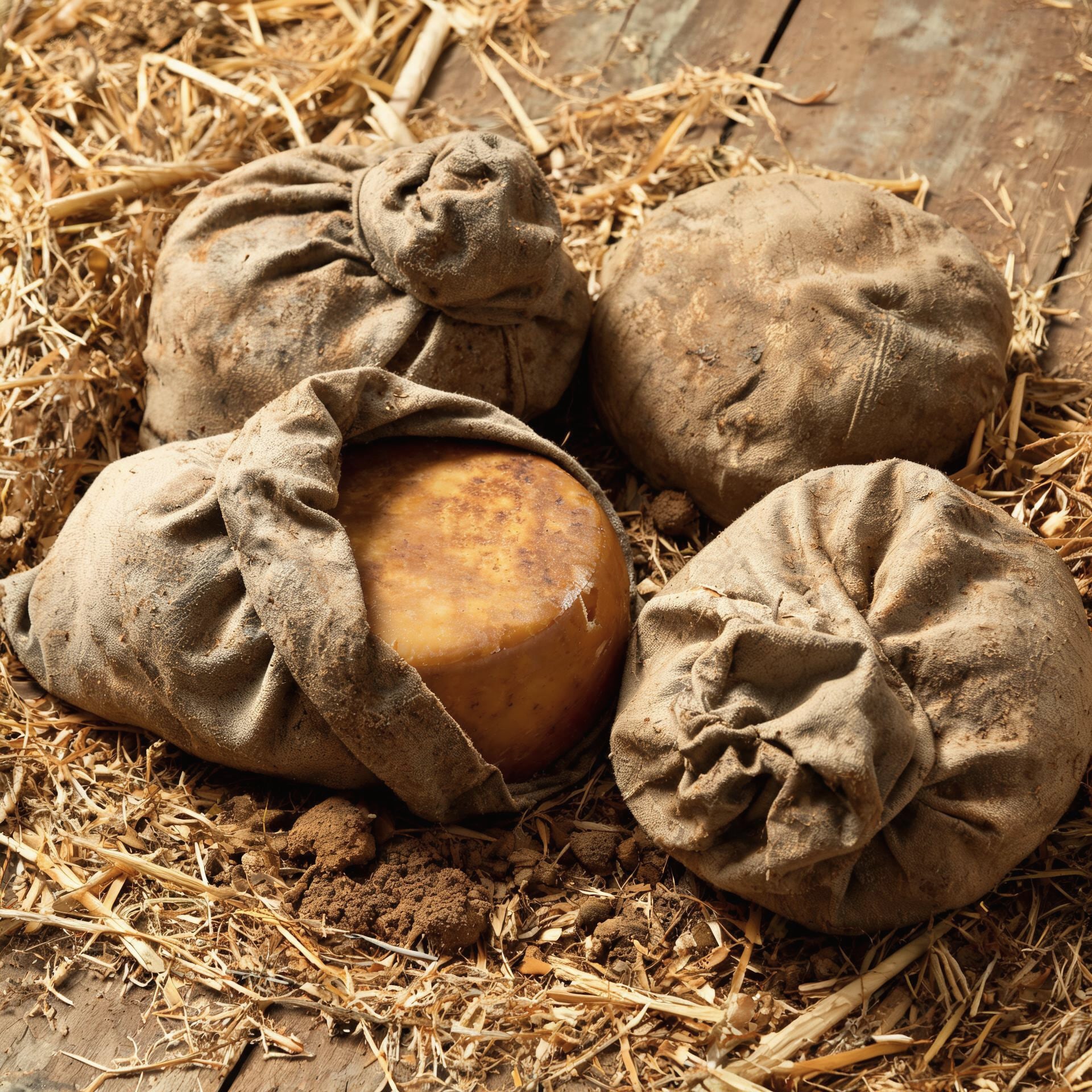
€13 / €26
€16 / €65
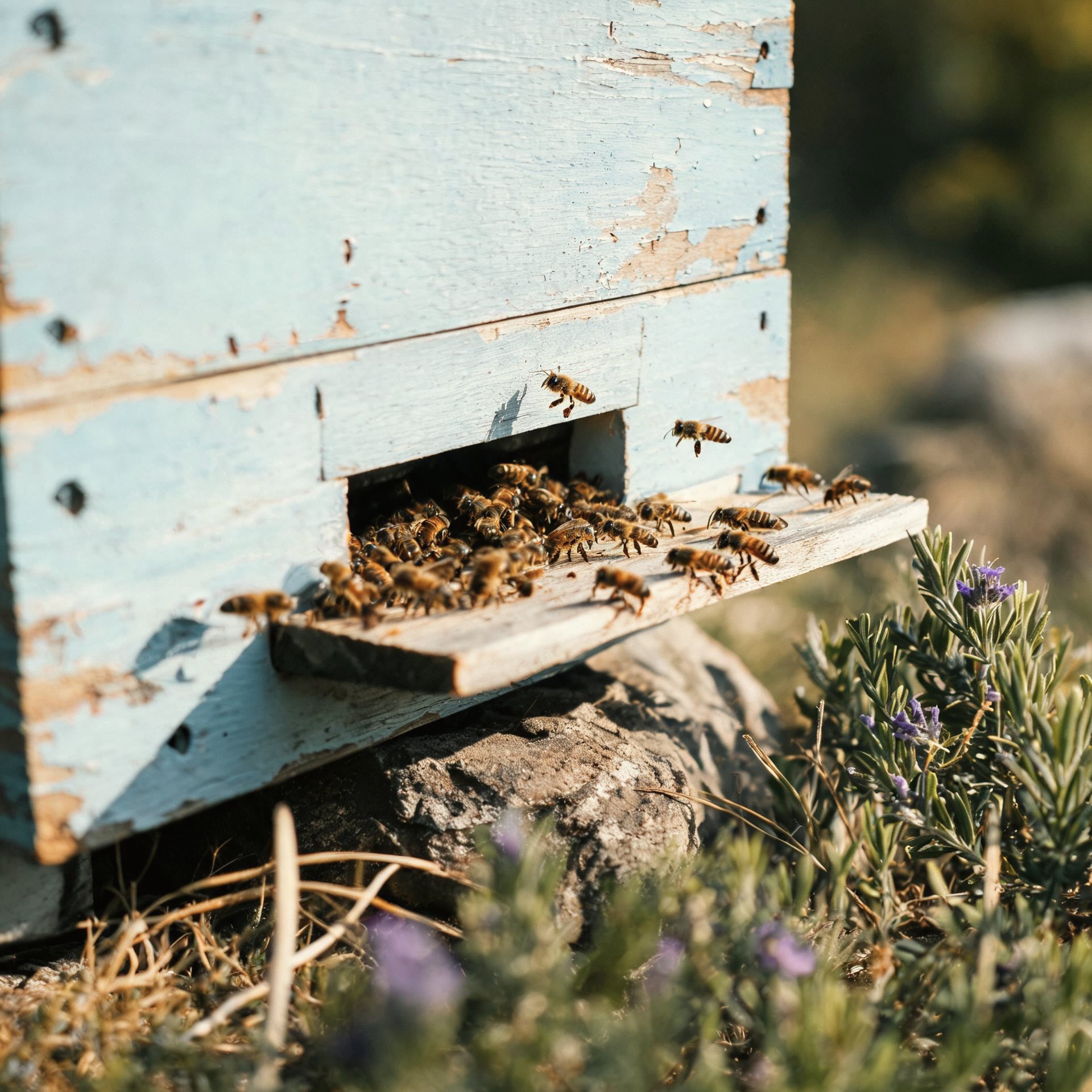
€9 / €10
€75
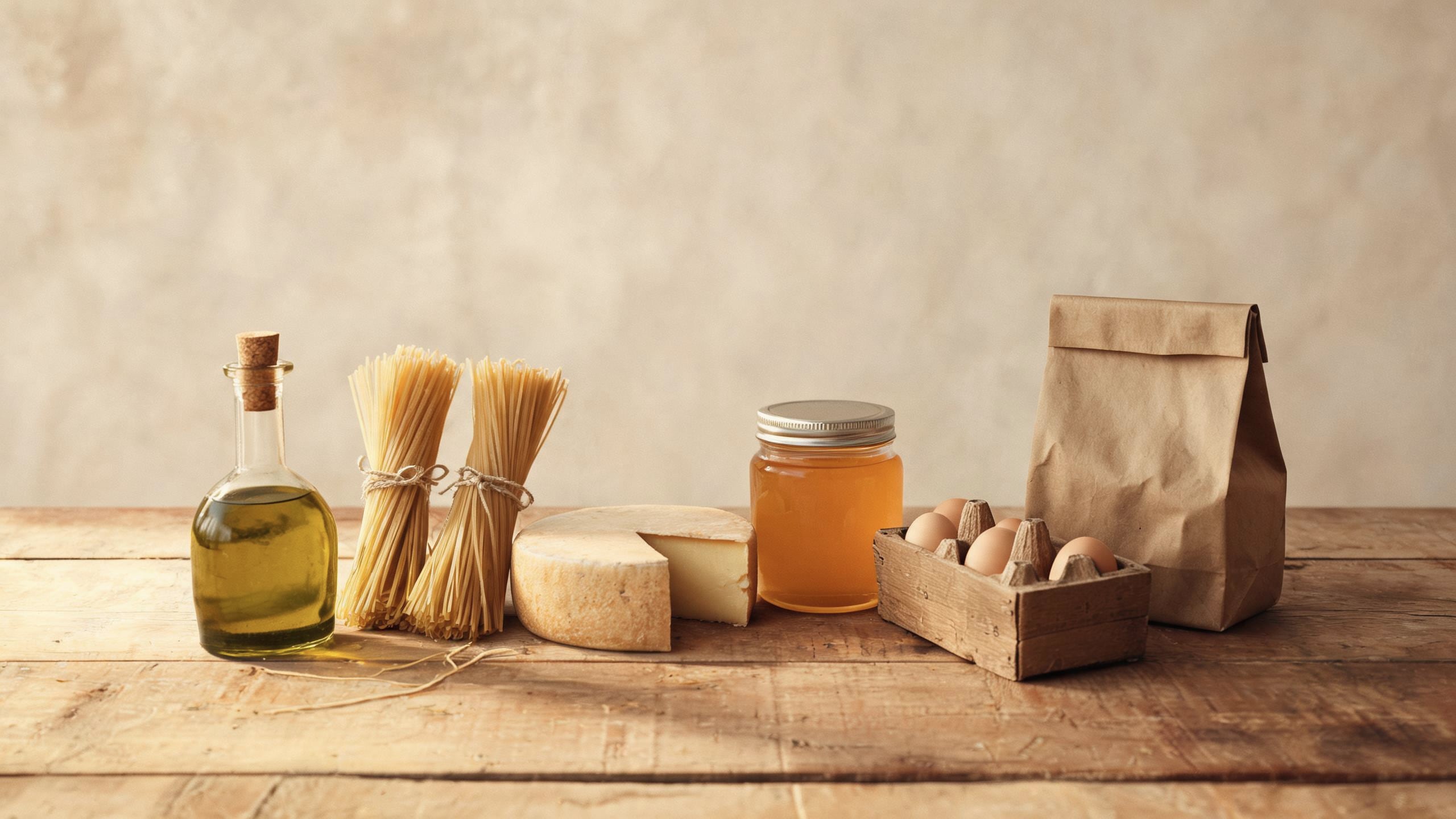
Cheese, oil, honey and pasta from the hill, in the farm shop and shipped within the EU.
Farm market every Saturday, 10:00–18:00.
“We booked lunch and stayed until the sheep came home. The ricotta alone is worth the drive.”
Sample notes for this demo
You need a car. The last 1.5 km is gravel: fine for normal cars, too narrow for coaches. Free parking. Sat-navs get confused on the white roads, so use the map link below.
Four letters a year: the new oil, the first ricotta, the pit cheese, and whatever else happened.